Cyberbullying
Many of us have dealt with bullying at some point in our lives. For kids today, however, bullying is more pervasive than ever, thanks to rapidly advancing technologies and like mobile devices and social media platform. The term “cyberbullying” includes a range of aggressive behaviours committed via modern technology. The goal of cyberbullying is to harass, demean, intimidate or taunt another person with the intent to hurt or embarrass them. The most common forms of cyberbullying are offensive name-calling or the spread of false or harmful rumours.
Bullying used to take the form of harsh words on the playgrounds, shoves in the hallways, or notes passed in study hall. Today, it can be done from and to anywhere. Based on the research data given, there are approximately 34 percent of middle and high school students report being victims of cyberbullying. Meanwhile, in the UK, over half of teens and adolescents say they’ve been cyberbullied. What’s worse, more than 11 percent of US teens admit to having cyberbullied another person.
Common forms of cyberbullying that cause distress to the victims include spreading false rumours, posting humiliating photos or videos and stalking on social networks, and creating fake profiles and websites. While many studies are conducted to understand and document the negative impact of cyberbullying on schoolchildren, relatively little attention has been paid to the same issue on young adults at tertiary institutions.
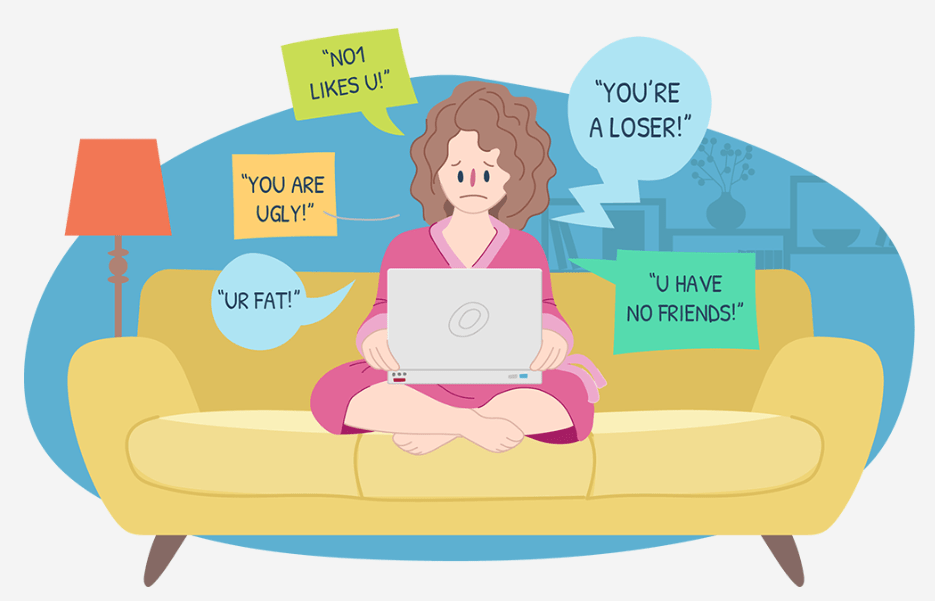
Impact of Cyberbullying on Victims
The effects of cyberbullying can be devastating, both physically and emotionally. Victims of cyberbullying have trouble adjusting at school and they’re twice as likely as non-bullied kids to suffer from anxiety, sleep difficulties, and depression. Bullying victims are also more likely to suffer from physical ailments like stomach aches and headaches.
In the US, at least 30,000 children per day stay home from school for fear of bullying. Skipping school can lead to poor grades, social setbacks, low self-esteem, and other ramifications that can affect a student’s life for years after the bullying has stopped. Bullied kids may also be leery of forming friendships and could become wary and untrusting of others.
Even children who merely witness bullying can experience negative effects. They can suddenly no longer want to go to school and they may carry excessive guilt for not being able to help the victim. Bullies themselves often grow up to have problems of their own. Cyberbullies are at increased risk of drug abuse, academic issues, and violent behaviour (and reaping its consequences).
Cyberbullying can be life-threatening. Although the press tends to feature high-profile cases of suicide as a common response to bullying, according to Yale University, only 7-9 percent of bullied victims are more likely to consider committing suicide than those who hadn’t been bullied.
However, the Centres for Disease Control lists suicide as one of the leading causes of death among kids aged 15-19 years. In the UK, half of the youth suicides are sourced to bullying. These statistics are particularly sobering when you consider that bullying can be prevented. Cyberbullying even affects parents. In some states, parents can be held legally responsible for their children who bully others and be subject to civil lawsuits.
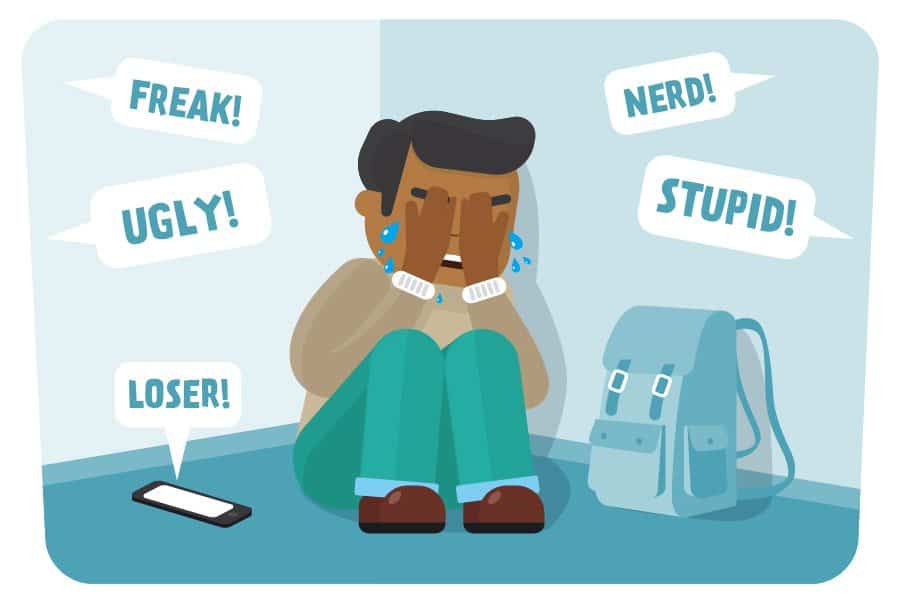
Signs of Cyberbullying
Although there is no one tell-tale indication that someone is being cyberbullied, both parents and children should become familiar with its signs. Knowing what to look for can help parents and caregivers protect their kids as well as enabling teens to spot warning signs in their friends or siblings.
- Misplaced, damaged, or lost belongings
- Unexplained physical injuries
- Secrecy around mobile devices or computer accounts
- Increased reticence to attend school, calling in sick, or skipping school
- Changes in academic performance or group activities
- Stealing money from friends and family
- Negative mood changes, insomnia, or appetite problems
- Self-destructive behaviour.
What to do if you suspect Cyberbullying
Kids can feel powerless and trapped by threats from cyberbullies. In fact, a common tactic of bullies is to threaten harm to loved ones if their behaviour is reported. Also, in many cultures, “tattling” or “ratting” out someone’s bad behaviour is seen as “dishonourable” and can incur heavy social penalties. With these types of powerful forces at work, it takes a lot of courage for a child or a teen to admit they’re being cyberbullied.
If you’re a teenager and you feel that you or one of your friends is being bullied (cyber or otherwise), you aren’t alone and you aren’t powerless. Here are some things you can do to help yourself or the people beside you:
- Don’t reply to any form of cyberbullying. Bullies are often craving attention and can back down if ignored.
- Talk to an adult you trust like your parents, your school principal or guidance counsellor, or another grown-up. The best defence against the demand for secrecy is sharing the secret with someone who has more power than the bully.
- Keep an offline diary. Print emails, take screenshots of text or social media messages, and take notes about the days, times, and people involved in the bullying incidents. If you don’t know their real name, note the fake names they use.
- Block or mute cyberbullies. Most social platforms, online forums, and mobile devices have methods for blocking unwanted messages. Blocking is the best option but if you’re afraid of retaliation, muting can be a good strategy. Muting protects you from seeing their messages but, unlike blocking, a muted person usually doesn’t know they’ve been muted. If you don’t know how to block and mute, ask an adult.
- Put down your devices. Spending less time on the internet gives you more time to make friends and have fun away from people who are hurtful.
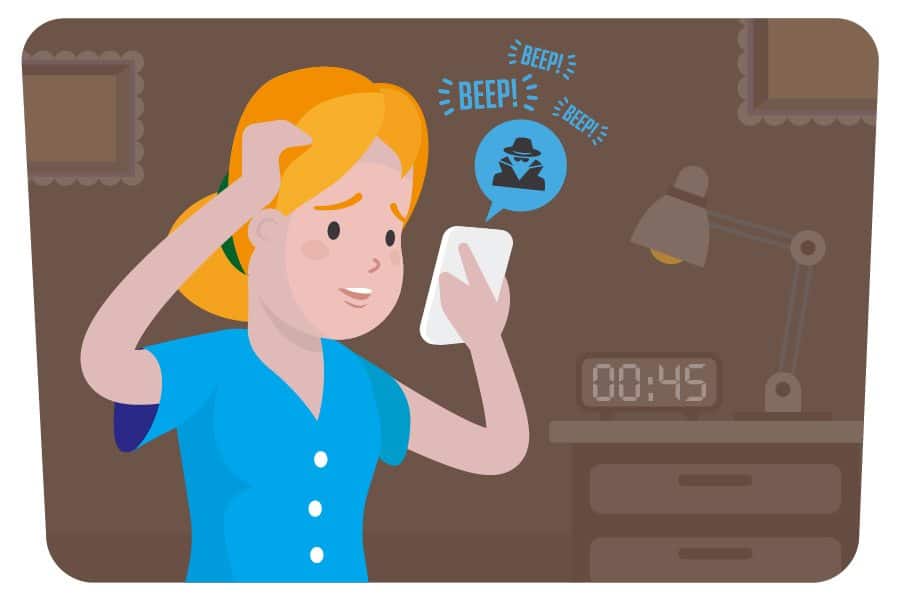
What Kids and Teens Can Do to Fight Back Against Cyberbullying
Although kids may not be aware of it, their own behaviour can have an impact on their peers. To create a unified message against cyberbullying, enlist the help of other students as well as teachers and parents by creating an anti-bullying mind-set at your school.
For example, you can encourage kids to speak up about cyberbullying through a reporting system that’s monitored by the school and parents. You can also request that your school promote suicide hotlines.
Conclusion
In conclusion, I personally think that Cyberbullying is a behaviours and a systemic issue and that can’t be changed with one action or by one person alone. That’s why each of us, adults and children alike, must take responsibility for creating a kinder world where bullying has no place.
 Tan Yi Feng
Nice blog
LikeLiked by 3 people
explain very well and clear
LikeLiked by 3 people
It was a good statement and I will take action on it
LikeLiked by 2 people
Interesting blog
LikeLiked by 2 people
Nice one!
LikeLiked by 2 people
Awesome
LikeLiked by 1 person
Omg the writer is too creative!
LikeLiked by 1 person
nice blog
LikeLiked by 2 people
Nice blog
LikeLiked by 1 person
Good blog!
LikeLiked by 1 person
nice blog
LikeLiked by 1 person
Good sharing, Thank you increase awareness about cyber bullying
LikeLike
nice
LikeLike
Nice blog
LikeLiked by 1 person
thanks for sharing
LikeLiked by 1 person
Nice blog!
LikeLiked by 1 person
Amazing Content! Thanks for letting us know more about Cyberbullying! Thumbs up!
LikeLiked by 1 person
woww!thanks for sharing!nice blog!
LikeLiked by 1 person
nice and good information provided, let stopping cyberbullying
LikeLiked by 1 person
Nice blog, hope can help other
LikeLiked by 1 person
Nice content 👍🏻
LikeLiked by 1 person
Astonishing content! Keep it up!
LikeLiked by 1 person
Great content! Say no to Cyberbully!
LikeLiked by 1 person
Let’s stop cyber bullying together!
LikeLiked by 1 person
Well done! Let’s stop cyberbullying
LikeLiked by 1 person
nice blog
Great information
LikeLiked by 1 person
Good information!!
LikeLiked by 1 person
Nice blog 👍👍
LikeLiked by 1 person
Interesting and informative blog. Keep it up.
LikeLiked by 1 person
nice blog
LikeLiked by 1 person
Nice blog!
LikeLiked by 1 person
nice blog!!!
LikeLiked by 1 person
Interesting.
LikeLiked by 1 person
Interesting
LikeLiked by 1 person
Relevant content provided with great analysing to overcome cyberbullying!
LikeLiked by 1 person
nice blog!
LikeLiked by 1 person
Berry nice 😀
LikeLiked by 1 person
Very informative blog, will recommend to my friends.
LikeLiked by 1 person
Thanks for sharing. Let’s work together to stop cyber bullying.
LikeLiked by 1 person